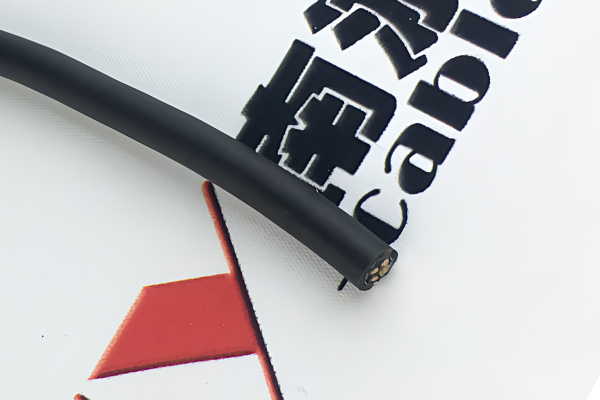
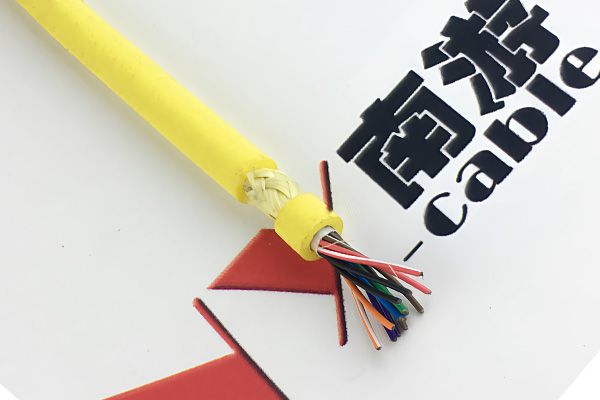
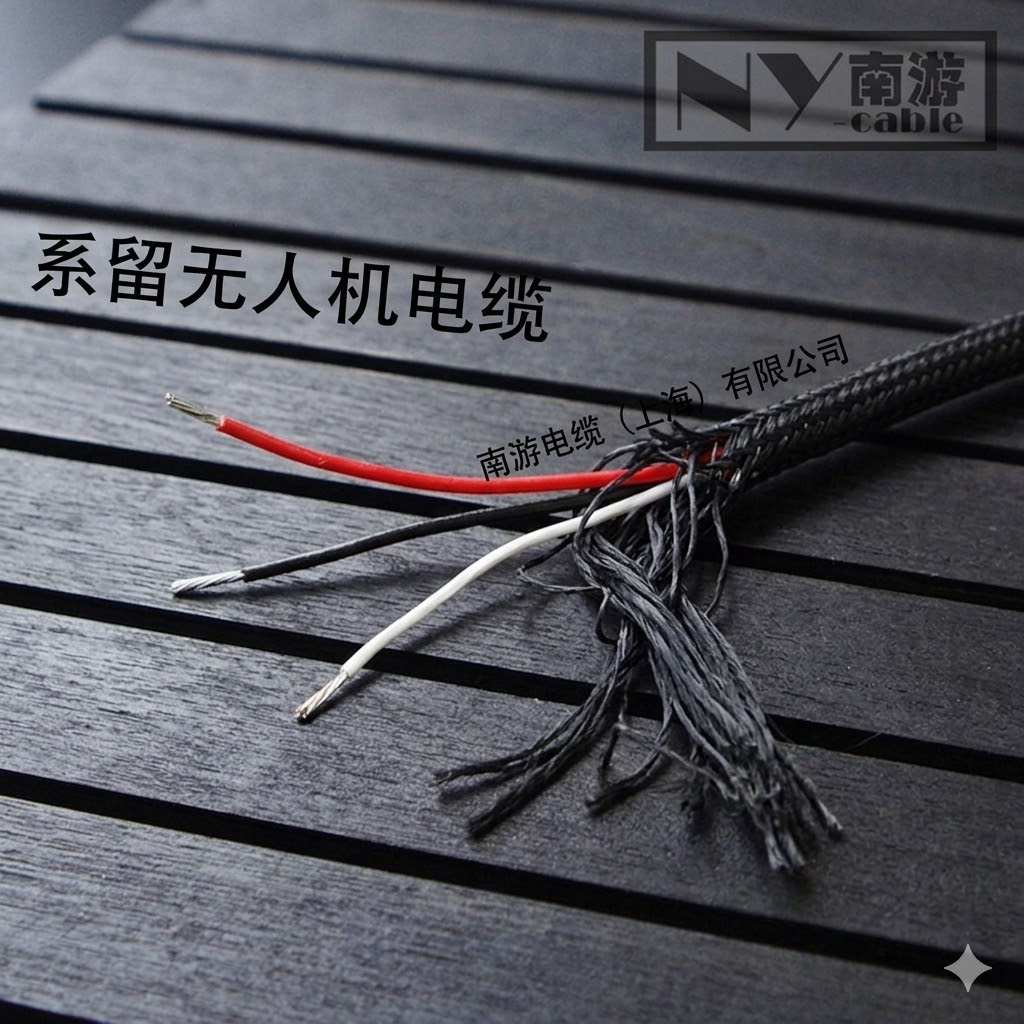
Cable that winds onto a drum or reel. A tensile member and anti-torsion lay carry the winding load — the load a drag chain construction is not built for.
Winding puts two loads on a cable that a linear application never sees: tension along the axis, and torsion as each layer crosses the one below. Reeling cable is built for both — a tensile member takes the axial load and the lay is arranged so the cable does not corkscrew as it spools. Using drag chain cable on a reel is the most common cause of conductor breakage in hoists and festoon systems.
| Parameter | Value |
|---|---|
| Rated voltage | up to 1 kV |
| Conductor | tinned copper |
| Jacket options | nitrile (NBR) / polyurethane (PUR) |
| Construction | tensile member with anti-torsion lay |
| Operating temperature, PUR | -40 to +80 °C |
| Operating temperature, NBR | -15 to +70 °C |
| Standard basis | customer specification |
| Minimum order | 100 m |
Winding, spooling and payout duty.
Reeling cable buying questions.
Drag chain cable suits linear reciprocating flexing inside a carrier and is optimised for bend life. Reeling cable winds onto a drum or reel, so it must also carry tensile load and resist torsion. Using one in the other's duty cycle is the most common cause of premature cable failure.
Any construction in the range up to 1 kV. Higher voltages are quoted as a separate construction rather than as a variant of a standard item.
Yes. Core count, cross-section and the number of control or signal pairs are specified per order, from 100 m.
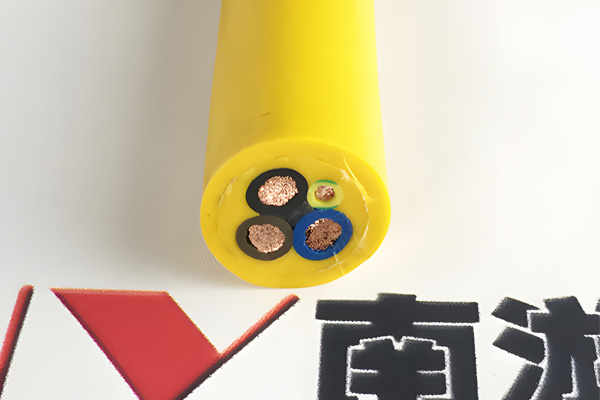
MOQ 100 m · standard lead time 5-7 days · CE and RoHS documentation