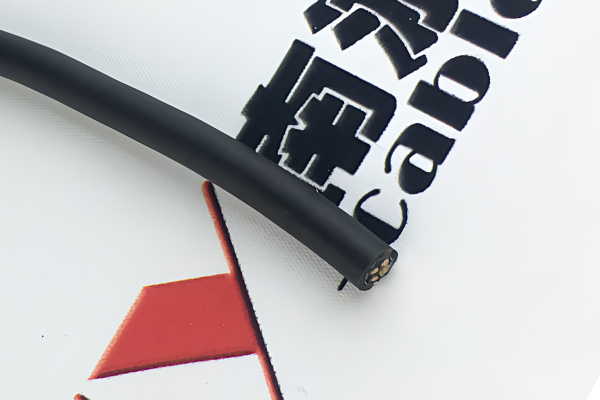
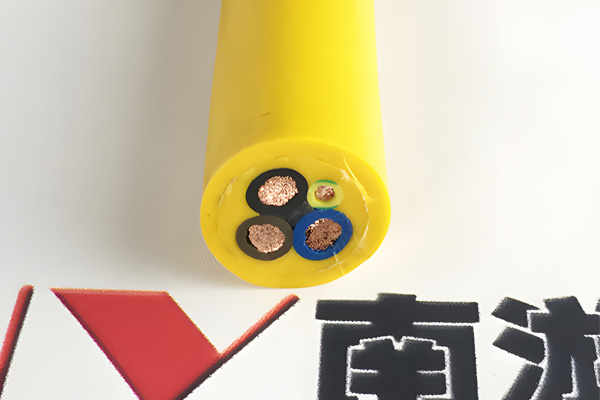
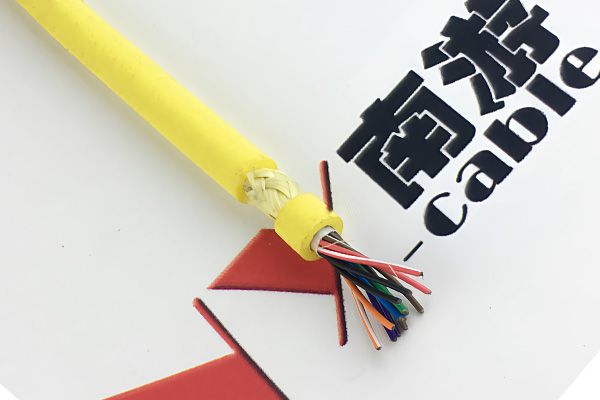
Abrasion and oil
Polyurethane (PUR) Cable
Polyurethane jacket for the duty cycles where PVC wears through: 5,000,000+ flex cycles, oil contact, and flexibility down to -40 °C.
5 M+Flex life
-40~+80Temp.
ResistantOil
100 mMOQ
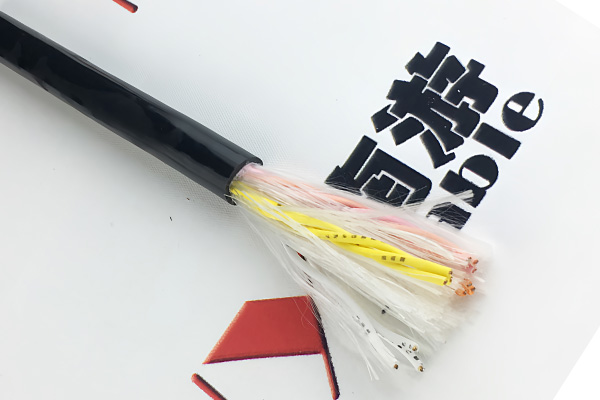
Polyurethane jacket for the duty cycles where PVC wears through: 5,000,000+ flex cycles, oil contact, and flexibility down to -40 °C.
PUR is chosen for two reasons: it resists abrasion far better than PVC, and it stays flexible when cold. On a machine tool or a robot axis, those two properties decide whether the cable survives the year. The trade-off is cost — PUR compound is more expensive than PVC — so it is specified where the duty cycle justifies it rather than as a default across a whole range.
| Parameter | Value |
|---|---|
| Rated voltage | up to 1 kV |
| Conductor | tinned copper |
| Jacket | polyurethane (PUR) |
| Flex life | 5,000,000+ cycles |
| Operating temperature | -40 to +80 °C |
| Resistance | abrasion, oil |
| Standard basis | customer specification |
| Minimum order | 100 m |
Abrasion, oil and low temperature together.
PUR cable buying questions.
PUR resists abrasion substantially better and stays flexible down to -40 °C, where PVC stiffens. It also handles oil and coolant contact. PVC remains the right choice for static runs and dry indoor duty where those loads are absent and cost matters.
PUR reaches 5,000,000+ flex cycles over -40 to +80 °C. NBR reaches 3,000,000+ cycles over -15 to +70 °C. PUR is the higher-cycle, wider-temperature option; NBR covers general drag chain duty and oil contact at lower cost.
Yes. The -40 °C lower limit applies to flexing, not just to static installation, which is the distinction that matters in cold store applications.
MOQ 100 m · standard lead time 5-7 days · CE and RoHS documentation